
July 20, 2026
Watching a loved one live with dementia can be one of the most challenging experiences for any family. As memory, communication and daily abilities gradually change, many families wonder how they can provide the right level of support while helping their loved one remain in familiar surroundings. For many people, remaining at home offers comfort, routine and a sense of independence that can positively influence their quality of life.
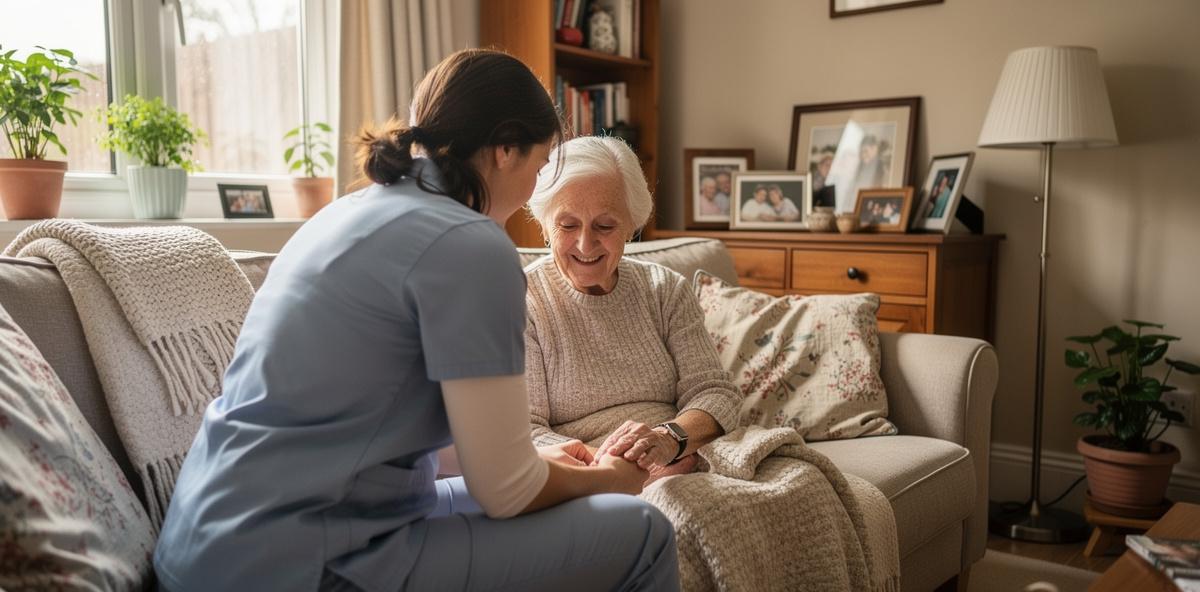
Professional Dementia Care in Bury St Edmunds enables people to continue living safely in their own homes while receiving personalised support tailored to their changing needs. Whether someone requires a few visits each week or round-the-clock assistance, specialist carers can provide compassionate care that promotes dignity, independence and wellbeing.
Families across Suffolk are increasingly choosing personalised care at home instead of residential care, allowing loved ones to remain close to family, neighbours and the community they know. Services such as Home care in Bury St Edmund and Live in care in Bury St Edmund provide flexible support that evolves as dementia progresses, ensuring individuals receive the right care at every stage.
Dementia is not a single illness but a group of conditions that affect memory, thinking, communication and everyday functioning. Alzheimer’s disease is the most common form, although vascular dementia, Lewy body dementia and frontotemporal dementia are also common.
Every individual experiences dementia differently. Some people mainly struggle with memory, while others experience confusion, personality changes, difficulty communicating or problems carrying out familiar tasks. Symptoms often develop gradually, making it difficult for families to recognise when additional support is needed.
Although dementia cannot currently be cured, appropriate care and support can significantly improve quality of life and help people remain independent for much longer.
Receiving care at home allows people living with dementia to remain in an environment filled with familiar sights, routines and memories. This familiarity often reduces anxiety and confusion compared with moving into unfamiliar surroundings.
Professional carers develop personalised routines based on the individual’s preferences, lifestyle and medical needs. Consistency is especially valuable for people with dementia, as familiar carers and predictable daily routines can help minimise distress and build trust.
Home care also enables families to remain closely involved in their loved one’s care while receiving practical support whenever needed.
Professional dementia support is tailored to every individual rather than following a standard approach.
A care plan may include assistance with personal care, meal preparation, medication reminders, mobility support, companionship, light housekeeping and emotional wellbeing. Carers can also accompany clients to medical appointments, community activities and social outings to help maintain independence and reduce isolation.
As dementia progresses, care plans can be reviewed regularly to ensure changing needs continue to be met safely and compassionately.
Many families begin providing care themselves. Over time, however, responsibilities often become increasingly demanding.
Signs that professional care may be beneficial include frequent forgetfulness, wandering, missed medication, poor nutrition, increased falls, difficulty managing household tasks, disturbed sleep or growing anxiety.
Family carers may also notice that providing support is affecting their own physical or emotional wellbeing. Seeking professional help early allows families to focus on spending quality time together rather than becoming overwhelmed by caregiving responsibilities.
Choosing Home care in Bury St Edmund allows individuals to receive personalised support without leaving the comfort of their own home.
Flexible home care can range from occasional visits to multiple daily appointments depending on individual requirements. Support can increase gradually as needs change, ensuring families never pay for unnecessary care while always having access to additional assistance when required.
Professional home care also promotes independence by encouraging individuals to continue participating in daily activities wherever possible rather than taking over tasks unnecessarily.
Families often find reassurance knowing trained carers can identify changes in health, mobility or behaviour early and communicate concerns promptly.
As dementia progresses, some individuals benefit from continuous support throughout the day and night.
Live in care in Bury St Edmund provides a dedicated carer who lives in the person’s home, offering personalised one-to-one support while helping them remain in familiar surroundings.
Live-in care offers continuity, consistency and companionship that can be especially valuable for people living with dementia. The same carer learns routines, preferences, communication styles and individual needs, helping reduce confusion and anxiety.
Families also gain peace of mind knowing someone is always available to assist with medication, meals, mobility, personal care and emergencies.
For many people, live-in care provides an excellent alternative to moving into residential care while maintaining independence and family connections.
Dementia affects more than memory. It can influence confidence, emotional wellbeing and relationships.
Compassionate carers provide reassurance during moments of confusion while encouraging meaningful activities that support cognitive stimulation and emotional health.
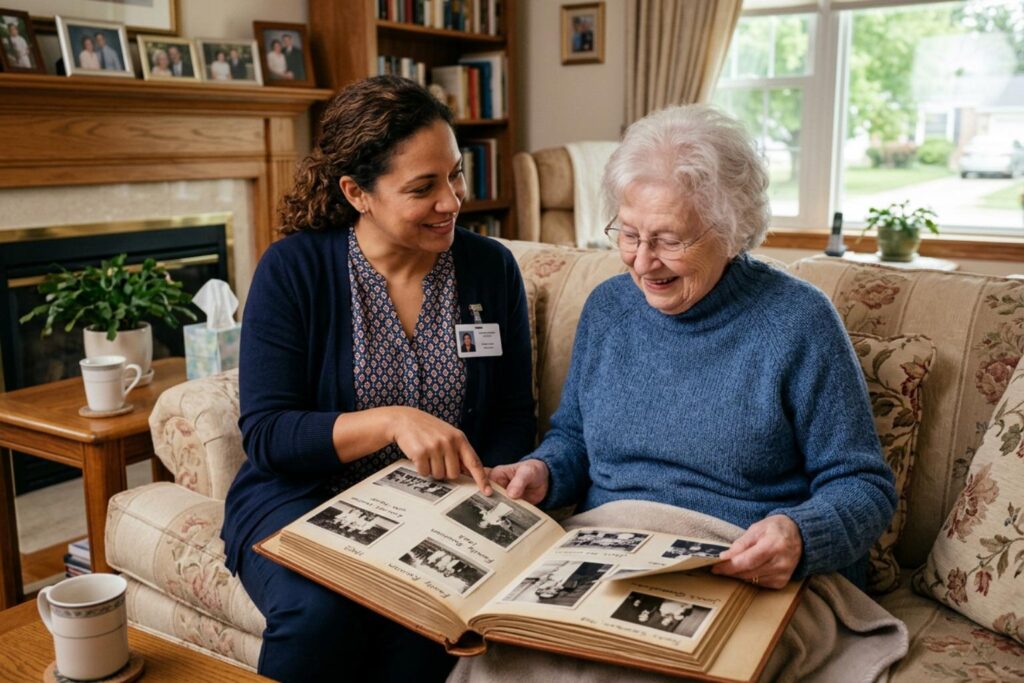
Simple conversations, music, gardening, looking through family photographs, walks around familiar places and favourite hobbies can all contribute to maintaining quality of life.
Professional carers understand the importance of patience, reassurance and person-centred communication, adapting their approach according to each individual’s abilities and preferences.
Dementia affects the entire family.
Many relatives balance caring responsibilities alongside employment, parenting and other commitments. Without adequate support, caregiver stress and burnout can quickly develop.
Professional dementia care gives family members valuable time to rest while remaining actively involved in decision-making and emotional support.
Regular communication between carers and families ensures everyone remains informed about changes in health, wellbeing and daily routines.
This partnership helps families feel confident that their loved one continues receiving compassionate, high-quality support.
Safety becomes increasingly important as dementia progresses.
Professional carers can help identify potential hazards around the home while supporting routines that reduce risks without unnecessarily limiting independence.
Small adjustments such as improved lighting, removing trip hazards, organising medication safely and maintaining familiar layouts often make a significant difference.
A personalised approach helps individuals continue living comfortably while reducing the likelihood of accidents and unnecessary hospital admissions.
Selecting the right care provider is one of the most important decisions families make.
Look for providers with experienced dementia carers, personalised care planning, flexible services, clear communication and regular care reviews. A provider should take time to understand the individual’s background, preferences and personal history rather than focusing solely on medical needs.
PentaCare’s West Suffolk service provides personalised domiciliary and live-in care and is regulated by the Care Quality Commission (CQC), where it is currently rated Good across all inspected areas.
Living with dementia does not mean giving up independence or quality of life. With compassionate support, many people continue enjoying familiar routines, meaningful relationships and the comfort of home for many years.
Whether your loved one requires occasional assistance, regular Home care in Bury St Edmund, or full-time Live in care in Bury St Edmund, personalised support can make everyday life safer, more comfortable and more fulfilling.
Early planning often leads to better outcomes, allowing families to make informed decisions before needs become more complex. By choosing professional Dementia Care in Bury St Edmund, families can focus on creating meaningful moments together while knowing their loved one is receiving compassionate, person-centred care.
Dementia care at home provides personalised support for people living with dementia in their own homes. Services may include personal care, medication support, meal preparation, companionship, mobility assistance and help with everyday activities.
Professional care should be considered when memory loss begins affecting daily living, personal safety, medication management or when family carers need additional support to continue providing care safely.
Yes. Home care can be adapted as dementia progresses, beginning with occasional visits and increasing to more comprehensive support, including live-in care if required.
Home care involves scheduled visits throughout the day or week, while live-in care provides a dedicated carer who lives in the person’s home to offer continuous support.
Yes. Professional dementia care reduces caregiver stress, provides respite, offers expert guidance and allows families to spend more meaningful time with their loved one rather than focusing solely on caregiving responsibilities.
Pentacare serves many locations,including BuryEdmunds, Mildenhall, Great Whelnetham, Newmarket, Barrow, Elmswell, Thurston, Risby, Brandon, Red Lodge, Thetford, Stanton, Great Barton, Honington, Stowmarket, Ixworth
If you’re exploring live-in care in west-suffolk, Pentacare offers a free, no-obligation consultation to assess your needs and provide expert guidance.
The phone number for Pentacare West Suffolk is: +44 1284 336136
The email link is: info@pentacare.co.uk,westsuffolk@pentacare.co.uk
You can find more information on their official website:
https://www.pentacare.co.uk/locations/suffolk/west-suffolk