

August 7, 2026
Starting home care can be an important step for an older adult and their family. While receiving professional support at home can make everyday life easier and safer, the first week may involve some adjustment. New routines, unfamiliar carers and changes to daily activities can naturally take time to become comfortable with.
For families arranging Home Care in Sevenoaks, understanding what usually happens during the first week can make the transition much smoother. Good home care should be built around the individual’s needs, preferences and existing routine, helping them receive the right level of support while continuing to enjoy independence at home.
The first week is primarily about getting to know the person receiving care and establishing a comfortable routine. Before care begins, a suitable care plan should identify the individual’s needs, preferences, daily activities and the type of assistance required.
During the first few visits, carers may spend time understanding how the person likes their day to be organised. This could include their preferred mealtimes, personal care routine, medication arrangements, hobbies and household preferences.
Rather than making unnecessary changes, professional carers should aim to fit their support around the person’s existing lifestyle. This can help the individual feel more comfortable and maintain a sense of control.
The first week can therefore be viewed as a period of familiarisation. The person receiving care gets to know their carer, while the carer learns more about their routines and preferences.
One of the most important parts of the first week is meeting the carer. For an older person who has previously managed independently, welcoming someone new into their home can initially feel unusual.
A professional carer should approach this process with patience, respect and understanding. Taking time to have a conversation and learn about the person’s interests can help build trust.
The carer may ask questions about everyday preferences, such as what meals they enjoy, when they like to get up, how they prefer their home to be organised and what activities they normally enjoy.
These conversations are valuable because home care is not simply about completing tasks. It is also about providing support in a way that respects the person’s dignity, independence and personal choices.
Over the first few days, familiarity can gradually develop. A consistent approach can make it easier for the person receiving care to feel secure and confident with their support.
A consistent routine can make the first week of Home Care in Sevenoaks easier for everyone involved. The exact routine will depend on the individual’s needs and the level of care arranged.
A morning visit might include assistance with getting out of bed, washing and dressing, preparing breakfast or getting ready for the day. During another visit, a carer may help with lunch, household tasks or companionship.
Some people may need support with mobility, while others may mainly require assistance with personal care, meals or everyday activities.
The aim is not necessarily to change the person’s routine but to provide support where it is needed. Maintaining familiar habits can help an older adult continue living comfortably in their own home.
As the week progresses, carers and families can identify which parts of the routine are working well and whether any adjustments would improve the person’s experience.
Personal care is an important part of home care for many older adults. Depending on individual needs, this may include assistance with washing, dressing, grooming, toileting or maintaining personal hygiene.
These tasks can sometimes be sensitive, particularly when someone has previously managed them independently. Carers should therefore provide assistance respectfully and encourage the individual to do as much as they can for themselves.
The purpose of support is not to take away independence. Instead, appropriate assistance can help an older person continue carrying out everyday activities safely and confidently.
During the first week, the carer will gradually learn how much assistance is required. Some people may only need occasional help, while others may require more comprehensive support.
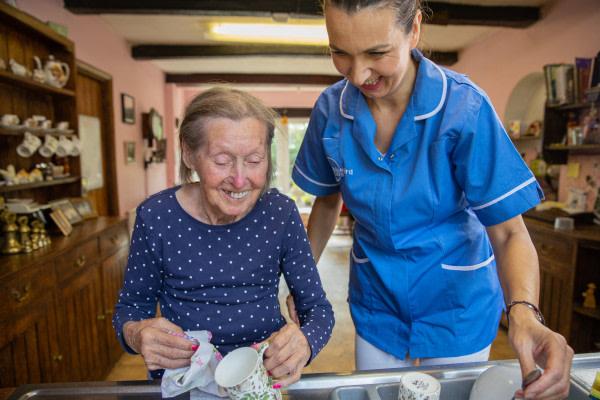
Another common part of the first week is assistance with everyday household activities. Depending on the agreed care plan, a carer may help prepare meals, make drinks, tidy commonly used areas or assist with shopping and other practical tasks.
Nutrition can be particularly important for older adults. Having regular meals and enough fluids throughout the day can be easier when someone is available to provide appropriate support.
Carers can also help make mealtimes more enjoyable by providing companionship. For someone who spends much of the day alone, having a friendly person to talk to can make a meaningful difference.
The focus should remain on the individual’s preferences. Favourite meals, established routines and cultural or dietary preferences should be considered when planning daily support.
Home care is not only about practical assistance. Companionship can also be an important part of the first week.
An older person may experience loneliness after losing a partner, reducing social activities or becoming less able to leave the house independently. Having a familiar carer visit regularly can provide an opportunity for conversation and social interaction.
A carer might spend time talking with the person, enjoying a cup of tea, reading together or accompanying them on a short walk where appropriate.
These simple interactions can help make home care feel less like a service and more like a supportive addition to everyday life.
Family involvement can be especially useful during the first week. Relatives often know the individual’s personality, habits and preferences well, so sharing useful information with the care team can help create a more personalised experience.
Families may explain important routines, preferred foods, hobbies, communication preferences and other practical details.
At the same time, professional home care can provide families with reassurance that their loved one has additional support when they cannot be there themselves.
Good communication between the care provider, carer and family can help identify concerns early and ensure that the care plan remains appropriate.
It is normal for small adjustments to be made during the first week. The original care plan may have been based on an assessment of the person’s needs, but everyday experience can reveal additional preferences or requirements.
For example, the timing of a visit may need to change slightly, or the individual may benefit from more assistance with a particular activity.
These changes do not necessarily indicate that something has gone wrong. Instead, they can show that the care team is responding to the person’s real-life needs.
A flexible approach can help ensure that care remains personalised as circumstances change.
One of the major advantages of professional home care is the opportunity to continue living in familiar surroundings.
For many older adults, staying at home means remaining close to familiar belongings, neighbours, local amenities and established routines. Care can be introduced around the person’s lifestyle rather than requiring them to move into a completely different environment.
During the first week, carers should encourage independence wherever it is safe and practical. This might mean allowing someone to choose their clothes, prepare part of a meal or complete a task independently while receiving assistance when needed.
This approach can help maintain confidence and dignity.
By the end of the first week, the individual and their family should have a clearer understanding of how the care arrangement is working.
The person receiving care may have become more familiar with their carer and daily routine. The care team may also have gained a better understanding of the individual’s preferences and support requirements.
Families can use this period to discuss any concerns or questions with the care provider. Open communication is important because care should remain responsive to changing needs.
As confidence develops, the routine can become a natural part of everyday life rather than something that feels new or disruptive.
Home care in orpington, Home care in bromley, Home care in Sevenoaks, Home care in Tunbridge Wells, Home care in Tonbridge, Home care in Stowmarket, Home care in Bury St Edmunds, Home care in Newmarket,Home care in Shoreham-by-Sea, Home care in Worthing, Home care in Steyning
Choosing a suitable provider is an important decision when arranging care for an older relative. Families should look for a provider that takes time to understand individual needs and offers a person-centred approach.
It can be helpful to ask how care plans are created, how carers are matched with clients, how communication with families is managed and how changes in care needs are handled.
A reliable provider should place the individual’s wellbeing, dignity and independence at the centre of the service.
For families considering Home Care in Sevenoaks, selecting a professional provider can provide reassurance that their loved one is receiving appropriate support while remaining in the comfort of their own home.
The first week of home care is often a period of adjustment, familiarisation and relationship building. From meeting the carer and establishing a daily routine to receiving help with personal care, meals and companionship, each part of the first week can contribute to a positive long-term care experience.
For older adults, professional Home Care in Sevenoaks can provide practical assistance while helping them maintain independence and continue living in familiar surroundings. For families, it can provide reassurance that their loved one has reliable support when they are unable to be there themselves.
With clear communication, personalised care and a flexible approach, the first week can provide a strong foundation for comfortable and consistent support at home.
The first week usually focuses on getting to know the individual, understanding their preferences and establishing a comfortable daily routine. Carers may provide assistance with personal care, meals, household activities, mobility and companionship depending on the agreed care plan.
Everyone adjusts differently. Some older adults become comfortable with their carer after a few visits, while others may need more time. Regular communication, patience and consistency can help build trust and make the transition easier.
Yes. Care needs and preferences can become clearer once support begins. If adjustments are needed, the care plan can be reviewed so that the service continues to reflect the individual’s circumstances and daily routine.
Yes. Families can provide valuable information about their loved one’s preferences, routines and needs. Maintaining communication with the care provider can also help relatives stay informed and provide additional reassurance.
Home care can be suitable for people who want to remain in their own homes while receiving additional support. Depending on individual needs, care can assist with specific daily activities while encouraging the person to remain as independent as possible.
If you are exploring live in care in Sevenoaks(West Kent), PentaCare is here to help. Our dedicated team offers free consultations to discuss your family’s needs and create a tailored care plan.
Contact us today to learn more about our trusted 24-hour home care services and discover how we can support your loved one’s independence, dignity, and happiness.
Service types: Respite care, Live-in care, visiting care, dementia care, Overnight Care, companionship, shopping, housekeeping, meal preparation, medication assistance, and personal care
Address: 2 The Square, Riverhead, West Kent, Kent TN13 2AA.
Phone: 01732 905405
Official Website :https://www.pentacare.co.uk/locations/kent/west-kent
Website: https://www.pentacare.co.uk/locations/kent/west-kent
Regulation: Registered and regulated by the Care Quality Commission (CQC)