
August 8, 2026
As people grow older, everyday tasks that were once simple can sometimes become more challenging. Changes in mobility, confidence, memory, personal care or household routines may gradually indicate that an older adult could benefit from additional support. However, families do not always recognise these changes immediately.
For families considering Home Care in Bromley & Orpington, knowing the signs that indicate a loved one may need support can make it easier to take action at the right time. Home care can provide practical assistance while allowing older adults to remain in familiar surroundings and maintain as much independence as possible. If you’re based specifically in Bromley, our local home care in Bromley team can talk you through the options.
Here are ten common signs that your loved one may benefit from professional support at home.
One of the clearest signs that someone may need additional support is difficulty managing personal care independently. This can include problems with washing, dressing, grooming, using the bathroom or maintaining personal hygiene.
An older person may begin avoiding certain activities because they have become physically difficult or uncomfortable. They may also take significantly longer to complete their usual routine.
Professional carers can provide respectful assistance with personal care while encouraging individuals to do whatever they can safely manage themselves. This can help maintain dignity and confidence without unnecessarily taking away independence.
Keeping a home clean, organised and comfortable can become increasingly difficult as someone gets older. Tasks such as vacuuming, changing bedding, preparing meals, washing dishes and doing laundry may become tiring or physically demanding.
You may notice that the house looks less tidy than usual or that chores are being left unfinished. These changes do not necessarily mean someone cannot live independently, but they may indicate that some additional help would be useful.
Home care can provide practical support with agreed household tasks, helping an older adult continue living comfortably in their own home.
Changes in eating habits can sometimes indicate that an older person is struggling with everyday routines. They may begin skipping meals, relying heavily on convenience foods or forgetting to eat regularly.
Preparing food can become difficult because of reduced mobility, tiredness or problems with standing for long periods. Some people may also lose interest in cooking when they are living alone.
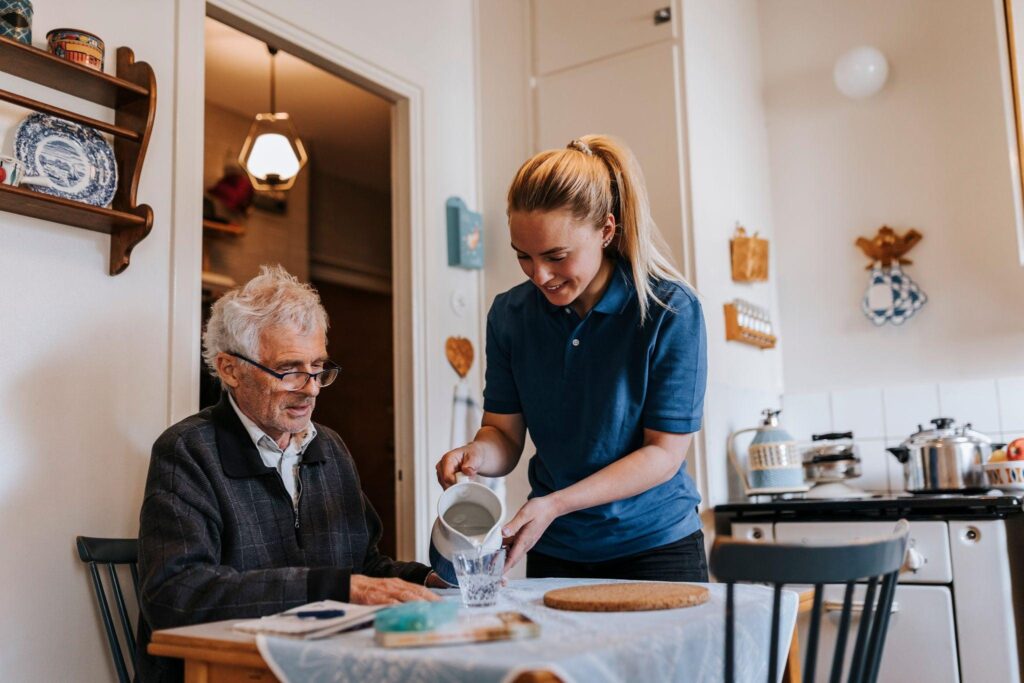
A home carer can provide appropriate assistance with meal preparation and encourage regular mealtimes. Having someone available can also make meals more enjoyable through companionship and conversation.
Mobility changes can significantly affect an older person’s confidence at home. You may notice that your loved one is becoming slower when walking, struggling with stairs or avoiding activities that require them to move around the house.
They may also become reluctant to leave home because they are worried about managing outdoors.
Home care can provide practical support with everyday activities and mobility, depending on the person’s individual care plan. Having appropriate assistance can help an older adult feel more confident while carrying out normal routines.
If there are significant or sudden changes in mobility, families should seek appropriate professional advice rather than relying solely on home care.
Occasional forgetfulness can happen at any age, but increasing problems with memory may indicate that additional support is needed.
You might notice that your loved one frequently forgets appointments, struggles to remember everyday tasks or becomes confused about routines. They may also need more reminders and reassurance than they previously did.
Professional support can help provide consistency throughout the day. Depending on individual needs, carers can offer companionship, reminders and assistance with everyday activities.
For people living with dementia or memory-related conditions, specialist Dementia Care in Bromley & Orpington may also be considered where appropriate.
Social isolation can have a significant impact on an older person’s overall wellbeing. Someone who previously enjoyed seeing friends, visiting local places or taking part in activities may gradually begin spending most of their time alone.
There can be many reasons for this, including reduced mobility, bereavement, lack of confidence or difficulty getting out independently.
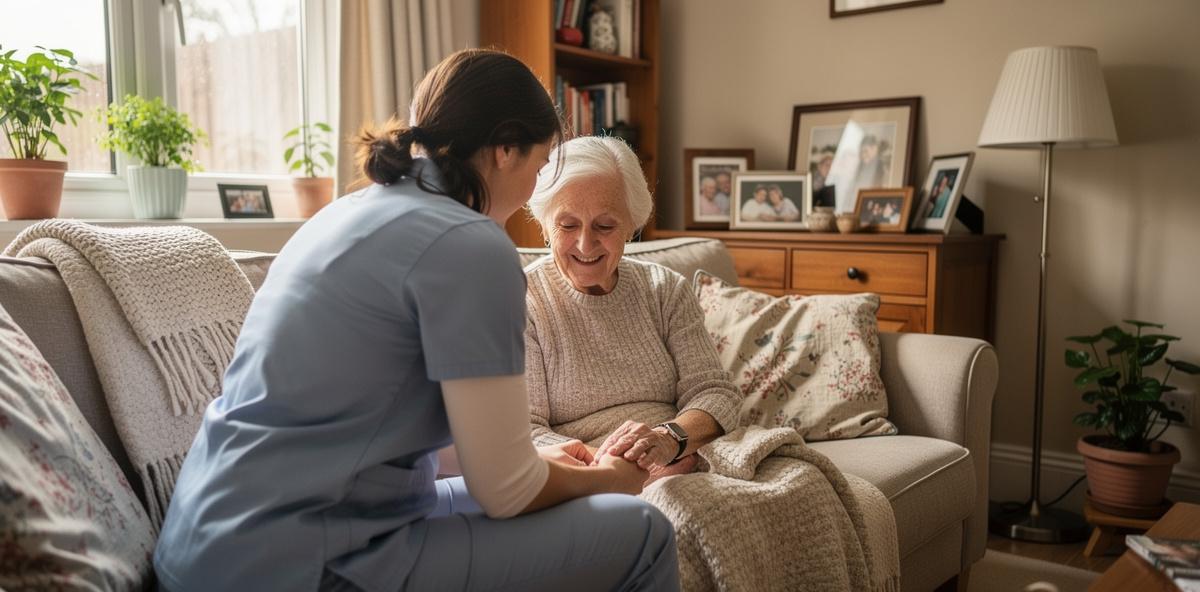
Companionship can be an important part of home care. A regular carer can provide conversation, social interaction and encouragement to continue appropriate activities.
For some older adults, simply having someone familiar visit regularly can make everyday life feel more connected.
Another important sign is when normal daily routines begin to break down. Your loved one may struggle to get ready in the morning, prepare meals, keep appointments or manage household responsibilities.
You may notice that tasks that were previously completed without difficulty are now being forgotten or left unfinished.
This can indicate that the person could benefit from some additional structure and support. Home care can be arranged around the individual’s routine, providing assistance at particular times of day when help is most needed.
The goal is not to take over someone’s life but to provide the right level of assistance while allowing them to remain involved in their own decisions.
Returning home after a hospital stay can be challenging, particularly for an older adult who is recovering from illness, injury or a procedure.
They may temporarily need assistance with personal care, meals, mobility and everyday household tasks while they regain their confidence and strength.
In these circumstances, temporary or ongoing Home Care in Bromley & Orpington can help provide practical support during the transition back to normal life.
Families should always follow medical or rehabilitation advice provided by healthcare professionals, while a care provider can help with appropriate day-to-day support within the agreed care plan.
Family members often want to help an elderly relative as much as possible. However, work, childcare, distance and other responsibilities can make it difficult to provide consistent support.
If relatives are constantly travelling between homes, rearranging their schedules or worrying about whether their loved one is safe, it may be time to consider professional assistance.
Home care can complement family support rather than replace it. Professional carers can provide regular visits, giving relatives greater reassurance while allowing them to focus on spending quality time with their loved one.
Respite care can also provide temporary support for family members who need a break from their caring responsibilities.
Perhaps the most important sign is a noticeable loss of confidence.
Your loved one may tell you that they are worried about being alone, feel nervous about everyday tasks or no longer feel comfortable managing everything without assistance.
This does not automatically mean that moving into residential care is necessary. Depending on their needs, professional home care may provide an alternative by bringing appropriate support directly into their home.
Care can be tailored to the individual’s circumstances, whether they need occasional visiting support or more comprehensive assistance.
There is no single point at which everyone should begin receiving care. Every person’s circumstances are different.
Some people may only need help with a few household tasks, while others may require assistance with personal care, mobility, meals or companionship. Starting with a small amount of support can sometimes make the transition easier, particularly for someone who is hesitant about receiving care.
It is also important to involve your loved one in the conversation wherever possible. Discussing what they find difficult and what type of support they would feel comfortable receiving can help ensure that any care arrangement respects their preferences.
Once a family decides that additional support may be beneficial, choosing an appropriate care provider is an important next step.
Look for a provider that takes time to understand the individual’s needs rather than offering a one-size-fits-all approach. Ask about care planning, carer training, communication, flexibility and how changes in care needs are handled.
A good care arrangement should focus on dignity, independence and quality of life. The right carer should also be someone the individual feels comfortable welcoming into their home.
For families looking for Home Care in Bromley & Orpington, professional support can provide practical assistance while helping an older adult remain in familiar surroundings.
One of the main reasons families consider home care is to help their loved one remain at home for longer.
Familiar surroundings can provide comfort and stability. Being able to continue established routines and remain close to neighbours, friends and local amenities can also be important to an individual’s wellbeing.
Professional carers can provide support where it is needed while encouraging the person to remain involved in everyday activities.
The level of care can also change as circumstances develop. Someone might initially require a few visits each week but later benefit from more regular assistance.
This flexibility can make home care a practical option for families whose loved one’s needs are changing.
Recognising the signs that an older relative may need additional support can be difficult, particularly when changes happen gradually. Difficulty with personal care, household tasks, mobility, meals, memory and daily routines can all indicate that some extra assistance may be beneficial.
For families considering Home Care in Bromley & Orpington, professional care can provide practical and emotional support while helping older adults maintain independence in familiar surroundings.
The most important step is to consider the individual’s needs, preferences and wishes. With the right level of personalised support, home care can help older adults continue living safely and comfortably at home while giving families greater peace of mind.
Common signs include difficulty with personal care, household chores, meal preparation, mobility and daily routines. Increased forgetfulness, loneliness, reduced confidence and difficulty managing alone can also indicate that additional support may be helpful.
Yes. Home care can provide assistance with specific activities while encouraging the individual to remain involved in tasks they can safely manage. This can help support independence and confidence while providing additional reassurance.
No. Home care can be tailored to different levels of need. Some people may require occasional help with household tasks or companionship, while others may need more regular assistance with personal care and everyday activities.
Yes. Depending on individual circumstances, care may be arranged for a temporary period, such as during recovery following a hospital stay, or as ongoing support for changing care needs.
Look for a provider that offers personalised care plans, trained carers and clear communication with families. It is also important to choose a provider that respects the individual’s preferences, dignity and independence.
If you are exploring living care in Bromley (Bromley-Orpington), PentaCare is here to help. Our dedicated team offers free consultations to discuss your family’s needs and create a tailored care plan.
Contact us today to learn more about our trusted 24-hour home care services and discover how we can support your loved one’s independence, dignity, and happiness.
Service types: Respite care, Live-in care, visiting care, dementia care,Overnight Care, companionship, shopping, housekeeping, meal preparation, medication assistance, and personal care
Address: 4 Moorfield Road, Orpington, London Borough of Bromley, BR6 0HQ
Phone: 01689 666557
Email: orpington@pentacare.co.uk
Website: https://www.pentacare.co.uk/locations/london/bromley-orpington/