

August 22, 2026
surroundings can provide comfort, security and a sense of independence.
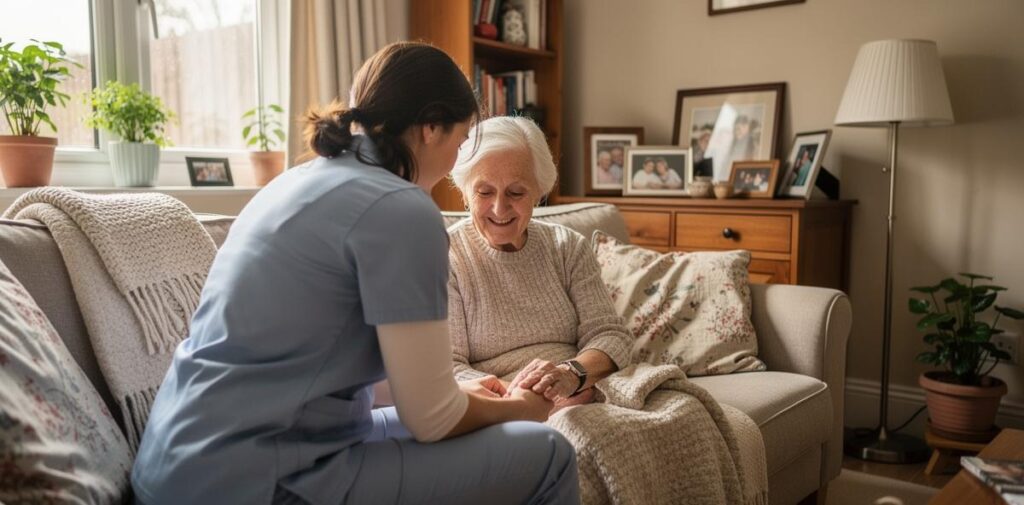
Professional home care in West Sussex can provide personalised support while allowing individuals to continue living in their own homes. Rather than requiring someone to move into a residential setting, home care can bring appropriate support directly to them. Depending on individual needs, this may include assistance with personal care, daily routines, mobility, meals, companionship and other aspects of everyday life.
Independence means different things to different people. For some, it may mean being able to prepare their own meals or choose their daily routine. For others, it may mean remaining in their own home, continuing hobbies or staying connected with friends and family.
Needing care does not automatically mean that someone should lose their independence. The purpose of professional care should be to provide assistance where it is needed while encouraging individuals to remain involved in the activities they can safely manage.
With personalised home care in West Sussex, carers can support people with difficult tasks without unnecessarily taking over their daily lives. This approach can help individuals maintain confidence and continue making decisions about how they spend their time.
Dignity is an essential part of high-quality care. Receiving assistance with personal activities can sometimes feel uncomfortable, particularly for someone who has previously managed independently.
Professional carers should provide support in a respectful and considerate way. Personal preferences, privacy and individual choices should be taken into account when providing assistance with activities such as washing, dressing and personal hygiene.
Being able to receive care in a familiar environment can also help individuals feel more comfortable. Their home is a place where they know their surroundings and routines, which can make receiving support feel more natural.
Personalised care should focus not only on what an individual needs help with but also on how they prefer that support to be provided.
Everyday routines can become challenging when mobility, health or confidence changes. Professional home care can provide practical assistance while helping individuals maintain their normal lifestyle.
A carer may assist with getting ready in the morning, preparing meals, moving safely around the home or completing everyday household activities. They may also provide companionship and encourage individuals to remain involved in hobbies and social activities.
The level of support can vary depending on individual circumstances. Some people may need only occasional assistance, while others may require regular visits throughout the day.
This flexibility allows care to be arranged around the person’s needs rather than expecting everyone to follow the same routine.
No two people have exactly the same care requirements. Even individuals with similar health conditions may have different routines, preferences and levels of independence.
This is why personalised care is an important part of home care in West Sussex. A care plan should take into account the individual’s lifestyle, preferences, abilities and specific support requirements.
For example, one person may need assistance with personal care but remain independent with cooking and household activities. Another person may require greater assistance with mobility while still wanting to manage their own meals and hobbies.
Understanding these differences allows carers to provide support without unnecessarily restricting the individual’s independence.
Family members often play an important role in caring for older relatives. They may visit regularly, help with appointments, prepare meals or assist with everyday activities.
However, balancing caregiving with work, family and personal responsibilities can become challenging. Professional home care in West Sussex can complement the support provided by relatives and help reduce some of the practical pressure.
When a professional carer assists with daily care, family members can focus more on spending meaningful time with their loved one. Instead of every visit being focused on completing care tasks, relatives can enjoy conversations, hobbies and family activities together.
This can also give families greater reassurance that their loved one is receiving appropriate support when they cannot be present.
Some individuals may require more consistent support than regular home care visits can provide. In these circumstances, live in care in West Sussex may be an option to consider.
Live-in care allows a professional carer to stay in the individual’s home and provide ongoing support based on their personalised care plan. This can be helpful for people who need assistance at different times throughout the day or who benefit from having someone nearby.
Live-in care can support personal care, meal preparation, mobility, companionship and everyday routines while allowing the individual to remain in their familiar surroundings.
For families, having a professional carer available in the home can also provide reassurance. The individual can continue living in a familiar environment while receiving a more consistent level of support.
Whether live-in care is appropriate will depend on the individual’s circumstances and level of need.
People living with dementia may experience changing care needs as their condition progresses. Memory loss, confusion and changes in communication can make everyday routines more difficult.
Dementia care in West Sussex can help individuals receive personalised assistance while remaining in a familiar home environment.
For someone living with dementia, familiar surroundings and consistent routines can provide reassurance. Professional carers can support everyday activities while encouraging the person to remain involved in tasks they can safely manage.
Dementia care can also provide companionship and help maintain established routines. As the individual’s needs change, the care plan can be reviewed and adapted to provide appropriate support.
Family members can remain closely involved while having professional assistance with the practical aspects of care.
Care is not only about physical assistance. Emotional and social wellbeing are also important aspects of a person’s quality of life.
Older adults may sometimes experience loneliness, particularly if mobility difficulties make it harder to leave home or maintain social connections. A professional carer can provide companionship and encourage meaningful activities.
This might involve having a conversation, preparing a meal together, enjoying a hobby or supporting the individual to maintain contact with friends and family.
Companionship can help make everyday life more engaging while providing individuals with someone they can interact with regularly.
Care needs can change over time. Someone may initially require only occasional assistance but later need more regular support.
Changes can occur because of ageing, illness, reduced mobility or the progression of a long-term condition. A flexible care plan can be reviewed as circumstances change so that support remains appropriate.
For example, someone recovering from an illness may need additional assistance for a period before gradually becoming more independent. In other situations, ongoing support may increase as an individual’s needs develop.
Regular communication between the individual, their family and care provider can help ensure that the care arrangement continues to work effectively.
Selecting a care provider is an important decision for individuals and families. A suitable provider should take time to understand the person’s needs and provide care that respects their preferences and independence.
Families should consider the provider’s approach to personalised care, communication and continuity. It is also important to understand how care plans are reviewed and adapted when needs change.
Having familiar carers can help build trust and make receiving care more comfortable. Good communication can also help families feel confident that their loved one’s needs are being understood and supported.
There is no single point at which everyone needs professional care. Families may begin considering home care in West Sussex when an individual starts experiencing difficulties with personal care, mobility, household activities or maintaining their usual routine.
It may also be appropriate when family members are finding it increasingly difficult to provide all the support required.
Arranging home care does not necessarily mean someone needs full-time assistance. Care can often be tailored to the individual’s circumstances, whether they need occasional visits, regular support or live in care in West Sussex.
Starting a conversation about care early can give individuals and their families more time to understand their options and find an arrangement that feels right.
Home care in West Sussex provides professional care and support to adults in their own homes. Depending on individual needs, support may include personal care, companionship, mobility assistance and help with everyday activities.
Professional home care provides assistance with activities that may have become difficult while encouraging individuals to remain involved in tasks they can safely manage. This can help maintain confidence, choice and independence.
Live in care in West Sussex involves a professional carer staying in the individual’s home and providing ongoing support according to their personalised care plan. It may be suitable for individuals who require more consistent assistance.
Yes. Dementia care in West Sussex can provide personalised support for individuals living with dementia while allowing them to remain in familiar surroundings. Care can adapt as their needs change.
Yes. Professional home care can complement family support by assisting with daily responsibilities. This can reduce some of the pressure on relatives while allowing them to continue spending quality time with their loved one.
The right care can provide more than practical assistance. It can help individuals maintain their independence, protect their dignity and continue enjoying the routines and relationships that are important to them.
Whether someone needs occasional support, regular home care in West Sussex, live in care in West Sussex or specialist dementia care in West Sussex, a personalised approach can help them remain comfortable in their own home.
Pentacare provides care tailored to individual needs, preferences and circumstances. If you or a loved one is considering professional home care, speaking with the Pentacare team can help you understand the available options and identify the right level of support for life at home.
Pentacare serves many locations, including Shoreham-by-sea, Brighton, Steyning, Worthing, Hove, Bramber, Lancing, Littlehampton, Southwick, Goring-by-sea, Rustington, Sompting
Book a Free Care Assessment
If you’re exploring live-in care in West Sussex, Pentacare offers a free, no-obligation consultation to assess your needs and provide expert guidance.
Call: 01273 286707
Email :westsussex@pentacare.co.uk
Website: https://www.pentacare.co.uk/locations/sussex/west-sussex/