

August 27, 2026
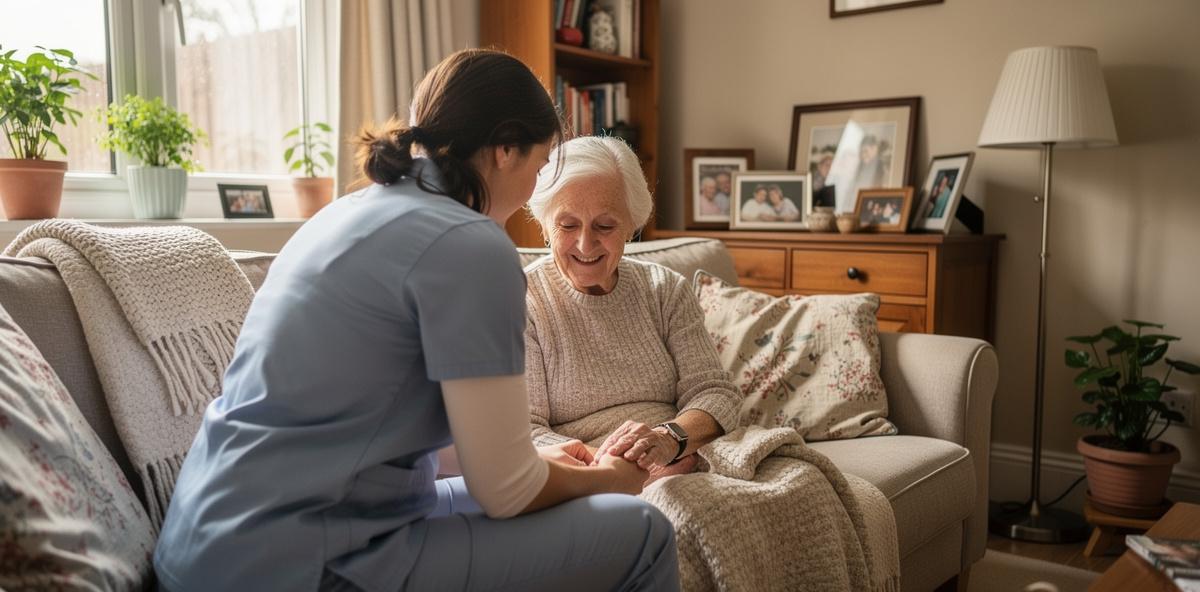
As people grow older or their circumstances change, everyday tasks can sometimes become more difficult. Getting dressed, preparing meals, keeping the home tidy or moving around safely may require a little extra assistance. For many people, however, needing support does not mean they want to leave the home they know and love.
Home Care in West Suffolk can provide flexible support that allows individuals to remain in familiar surroundings while receiving help with the things that matter most to them. Care can range from occasional assistance with daily activities to more specialised support for people living with complex or long-term conditions.
The right care should always reflect the individual. Rather than taking over a person’s daily life, professional carers can provide the appropriate level of assistance while encouraging independence, dignity and choice.
Home care is support provided in an individual’s own home. The type and frequency of care can vary depending on personal circumstances and changing needs.
Some people may only need a few visits each week, while others may benefit from daily support. Care can include assistance with personal routines, preparing meals, medication prompts, mobility, household tasks and companionship.
The advantage of receiving care at home is that support can be built around the person’s existing lifestyle. Individuals can continue following their preferred routines and remain involved in decisions about their care.
For someone who has spent many years living independently, maintaining this sense of familiarity and control can be particularly important.
Not everyone who needs care requires intensive support. Sometimes, small amounts of practical assistance can make everyday life significantly easier.
A carer might help someone prepare breakfast, get ready for the day, complete some household tasks or accompany them when going out. These seemingly simple activities can help people continue living independently.
Practical support can also reduce some of the pressure on family members. Relatives may want to help but may have work, family or other responsibilities that make providing regular assistance difficult.
Having professional support in place means individuals can receive help when they need it without relying entirely on family members.
Personal care is an important part of support for people who may find certain daily routines difficult.
Depending on individual requirements, this may include assistance with washing, dressing, grooming and other personal routines. These tasks can be sensitive, which is why respectful and person-centred care is essential.
A professional carer should understand that personal care is not simply about completing a task. It is about helping someone feel comfortable while respecting their privacy, preferences and dignity.
Providing the right level of support can also help individuals continue doing parts of their routine independently wherever possible.
Care requirements are not always fixed. Someone may initially need occasional assistance but require additional support as their circumstances change.
A personalised care plan allows support to be adjusted when necessary. Changes in mobility, health, confidence or daily functioning may mean that additional visits or different types of assistance become appropriate.
Regular communication between the individual, family and care team can help identify these changes early.
This flexible approach is one of the important benefits of Home Care in West Suffolk. Instead of expecting someone to adapt to a standard care routine, support can be developed around their individual circumstances.
Some individuals have care requirements that go beyond everyday assistance. Long-term health conditions, reduced mobility or cognitive changes may mean that more specialised care is necessary.
In these situations, carers may provide support that is tailored to the individual’s particular needs and established routines.
Specialist care should still focus on the person’s overall wellbeing rather than only their condition. Their preferences, interests, communication style and personal goals should remain part of the care plan.
This can help ensure that professional support enhances quality of life while maintaining as much independence as possible.
Dementia can affect memory, communication, confidence and the ability to manage familiar activities. As the condition progresses, individuals may need additional support with everyday routines.
Care at home can provide a familiar environment where established routines and surroundings are maintained. For many people living with dementia, familiarity can help provide reassurance.
Support may include assistance with personal care, meals, household routines and companionship. Carers can also provide patience and reassurance when someone becomes confused or anxious.
Good dementia support should be individualised. Understanding the person’s life history, preferences, interests and usual routines can help carers provide more meaningful and comfortable support.
Families can also benefit from having professional assistance, particularly when caring responsibilities become increasingly demanding.
For individuals who require more continuous assistance, live in care in West Suffolk can provide an alternative to residential care.
With live-in care, a professional carer stays in the person’s home and provides ongoing support according to their care plan. This may be suitable for someone who needs regular assistance with personal care, mobility, meals, medication or everyday activities.
Live-in care can also provide companionship and reassurance, particularly for people who spend much of their time alone.
However, it is important to consider the individual’s needs and circumstances before deciding whether live-in care is appropriate. A professional assessment can help determine what level of support would be most suitable.
Care is not only about practical tasks. Emotional wellbeing and social connection are also important.
Older adults may become socially isolated because of mobility difficulties, changes in health or reduced opportunities to meet friends and family. Regular interaction with a carer can provide valuable companionship.
A carer might have a conversation over a cup of tea, accompany someone on a walk, help with shopping or support them in attending an appointment.
Maintaining these everyday connections can help individuals feel more engaged with their surroundings and maintain a greater sense of purpose.
Family members often want to provide as much support as possible, but becoming the primary source of care can be challenging.
Professional care can work alongside family involvement. Instead of relatives having to manage every practical responsibility, a trained carer can provide assistance with agreed areas of the individual’s daily routine.
This can allow family members to focus more on spending meaningful time together.
For families who live elsewhere or cannot visit regularly, having professional support in place can also provide reassurance that their loved one has someone available to assist them.
Maintaining independence does not mean managing everything without help. In many cases, having appropriate support can actually make independent living more sustainable.
Assistance with mobility, personal routines, meal preparation and household activities can help reduce some of the challenges associated with living alone or managing reduced physical ability.
Carers can also become familiar with the individual’s normal routine. If they notice significant changes in their abilities or behaviour, these concerns can be communicated to the appropriate people.
The objective is to create a supportive environment where individuals can continue making their own choices while receiving assistance where required.
One of the most important decisions for families is understanding how much care is actually needed.
Someone who is managing most daily activities independently may only require occasional visits. Another individual may need daily personal care or more comprehensive support.
The best approach is to look at the person’s current circumstances and consider how their needs could change over time.
It is also worth discussing the individual’s preferences. Some people may welcome regular support, while others may initially feel uncertain about having a carer at home.
Taking time to explain the benefits and involve the individual in decisions can make the transition easier.
Choosing a care provider is an important decision. Families should look for a service that takes time to understand the individual rather than simply providing a standard package of care.
Questions about the care planning process, communication, flexibility and how changing needs are handled can help families understand whether a provider is suitable.
It is equally important that the individual feels respected and listened to. Good care should promote dignity, independence and quality of life alongside practical support.
The need for care can develop gradually. What starts as occasional help with household tasks may eventually become more regular personal or specialist support.
Home Care in West Suffolk can provide different levels of assistance according to individual circumstances. Whether someone needs help with everyday activities, companionship, personal care or more specialised support, the focus should remain on helping them live as comfortably and independently as possible.
For people with more significant needs, options such as live in care in West Suffolk may provide a higher level of ongoing assistance. Individuals living with dementia may also benefit from carefully planned support that takes their routines and preferences into account.
Ultimately, professional care should not be about taking independence away. It should be about providing the right support to help people maintain it.
Home care is professional support provided in an individual’s own home. Depending on their needs, it can include personal care, meal preparation, mobility assistance, household tasks, medication support and companionship.
Home care can support older adults, people with mobility difficulties, individuals living with long-term conditions and anyone who needs additional help with everyday activities while remaining at home.
Yes. The frequency of visits can depend on the individual’s needs. Some people may only require occasional support, while others may need care visits every day.
Live-in care involves a professional carer staying in an individual’s home and providing ongoing support. It can be considered for people who require a greater level of assistance but wish to remain at home.
Yes. Dementia support can be tailored around an individual’s routines, preferences and changing needs, helping them remain in familiar surroundings while receiving appropriate assistance.
Yes. Professional care can complement the support provided by family members. It can help reduce some of the practical responsibilities and allow relatives to spend more quality time with their loved one.
Yes. Care needs can change as a person’s circumstances develop. A care plan can be reviewed and adjusted so that the level of support remains appropriate.
The appropriate type of care depends on the person’s daily activities, mobility, health-related needs, preferences and level of independence. A professional care assessment can help identify suitable support options.
Pentacare serves many locations,including BuryEdmunds, Mildenhall,
Great Whelnetham, Newmarket, Barrow, Elmswell,Thurston, Risby,
Brandon, Red Lodge, Thetford, Stanton, Great Barton, Honingto, Stowmarket, Ixworth
Book a Free Care Assessment
If you’re exploring live-in care in west-suffolk, Pentacare offers a free, no-obligation
consultation to assess your needs and provide expert guidance.
The phone number for Pentacare West Suffolk is: +44 1284 336136
The email link is: info@pentacare.co.uk,westsuffolk@pentacare.co.uk
You can find more information on their official website:
https://www.pentacare.co.uk/locations/suffolk/west-suffolk/