
August 19, 2026
Caring for an ageing parent, relative or loved one can be a rewarding experience, but it can also become challenging when their care needs increase. Family members often take on responsibilities such as helping with personal care, preparing meals, managing appointments and providing companionship. While family involvement can be extremely valuable, providing care alongside work, family commitments and everyday responsibilities can become difficult over time.
Professional home care in West Suffolk can provide families with the additional support they need while allowing their loved ones to remain in the comfort and familiarity of their own homes. Instead of family caregivers having to manage every aspect of care themselves, professional carers can provide personalised assistance based on the individual’s needs, routine and preferences.
Family caregivers often become an important part of their loved one’s daily life. They may help with household tasks, shopping, meals, medication routines, personal care or getting to appointments. They may also provide emotional support and companionship.
For some families, these responsibilities develop gradually. A parent may initially need occasional help with shopping or household tasks, but their requirements can increase as they get older or experience changes in mobility, health or independence.
When care needs become more demanding, family members may find themselves spending more time providing practical assistance. This can affect their work, personal relationships and ability to maintain their own routines.
Professional home care can help provide a more balanced approach, allowing family members to remain involved without having to take full responsibility for every aspect of their loved one’s care.
One of the main advantages of professional home care in West Suffolk is that support can be tailored to the individual. Care does not necessarily have to mean having someone present all day. Depending on the person’s circumstances, support can be arranged around their particular needs.
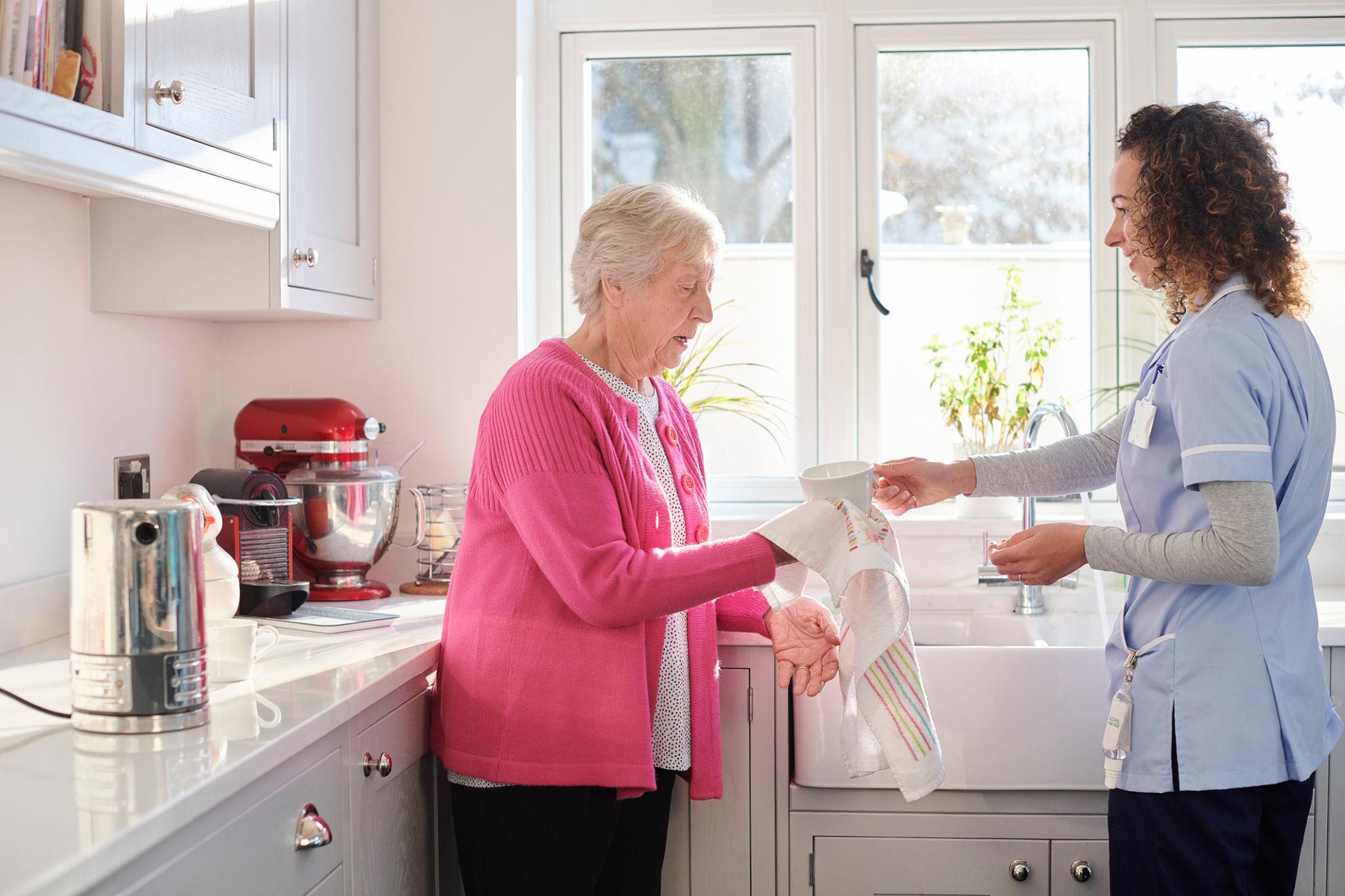
A professional carer may assist with personal care, dressing, meal preparation, mobility, household routines or companionship. This can allow family caregivers to focus on spending meaningful time with their loved ones rather than constantly managing practical care tasks.
For example, if a family member normally visits every morning to help with personal care and breakfast, a professional carer can provide that assistance instead. The family member can then visit later simply to spend time together, go for a walk or enjoy a conversation.
This distinction can make family relationships feel less focused on caregiving responsibilities and more focused on connection and quality time.
Providing regular care can be physically and emotionally demanding. Even when family members are happy to help, they also need time to rest, work and maintain their own personal lives.
Professional home care can provide family caregivers with valuable time away from their caring responsibilities. This may involve regular visits from a professional carer or additional support during particularly demanding periods.
Having reliable care in place can give family members greater confidence that their loved one is supported even when they cannot be there themselves.
Taking time to rest should not be viewed as abandoning a loved one. It is an important part of maintaining a sustainable approach to family caregiving.
Professional care is not about taking away someone’s independence. A good care plan should encourage individuals to remain involved in their daily routines and make their own choices wherever possible.
A professional carer can provide assistance with activities that have become difficult while allowing the individual to continue doing the things they can manage independently.
For older adults, maintaining familiar routines can be particularly important. Being able to remain at home, prepare meals with assistance, continue hobbies and stay connected with family and friends can contribute to a greater sense of independence and wellbeing.
This can also reassure family caregivers that their loved one is receiving support without unnecessarily changing their lifestyle.
Care requirements can change over time. An individual who only needs occasional assistance today may require more regular support in the future.
This can happen because of ageing, reduced mobility, recovery from illness or the progression of a long-term condition. Having professional care available means support can be reviewed and adjusted as circumstances change.
A personalised care plan considers the person’s current needs, preferences, routines and abilities. As these change, the level of support can also be adapted.
This flexibility can be particularly helpful for family caregivers because they do not have to suddenly take on significantly more responsibility when their loved one’s needs increase.
For some individuals, occasional visits may not provide enough support. When a person requires more consistent assistance or reassurance, live in care in West Suffolk may be an option to consider.
Live-in care allows a professional carer to stay in the individual’s home and provide ongoing support based on their care plan. This can be particularly valuable for people who require assistance throughout different parts of the day or who may benefit from having someone nearby.
Live-in care can support daily routines while allowing the individual to remain in their familiar home environment. It can also provide reassurance for family members who may otherwise worry about their loved one’s wellbeing when they are not present.
The appropriate level of care will depend on the individual’s circumstances. A professional assessment can help determine whether live-in care or another form of home support would be most suitable.
Caring for someone living with dementia can create additional challenges for family members. Changes in memory, communication, orientation and behaviour can make everyday activities more difficult to manage.
Dementia care in West Suffolk can provide families with professional assistance while helping individuals remain in familiar surroundings.
A consistent routine and familiar environment can be reassuring for someone living with dementia. Professional carers can provide support with daily activities, personal care, meals, companionship and maintaining established routines.
For family caregivers, having professional dementia care available can provide additional reassurance. They can remain closely involved in their loved one’s life while having professional support to help manage the practical aspects of care.
As dementia progresses, care needs may change. Regular reviews can help ensure that the support provided continues to reflect the individual’s circumstances.
When one family member becomes the main caregiver, relationships can sometimes become heavily focused on care responsibilities. Conversations may revolve around medication, appointments, meals, personal care or household tasks.
Professional home care can help reduce some of this pressure.
When carers take responsibility for appropriate aspects of daily support, family members can focus more on their relationship with their loved one. They can spend time together without every visit being centred around completing care tasks.
This can create a more positive experience for both the individual receiving care and their family.
The most effective care arrangements often combine professional support with family involvement. Professional carers do not necessarily replace the role of family members. Instead, they can complement the support that relatives already provide.
A family member may continue managing appointments and visiting regularly, while a professional carer provides assistance with personal care and daily routines.
This shared approach can make caregiving more sustainable and ensure that the individual’s needs are supported consistently.
Families do not need to wait until caregiving becomes overwhelming before exploring professional support. It can be useful to consider home care when an individual begins struggling with everyday activities or when family members find that their caring responsibilities are becoming difficult to balance.
Signs that additional support may be helpful can include increasing difficulty with personal care, reduced mobility, problems managing household tasks or a growing need for companionship and supervision.
Early conversations about care can give families more time to understand their options and find an arrangement that feels comfortable for everyone involved.
Choosing a professional care provider is an important decision. Families should look for a provider that takes a personalised approach and understands that every individual’s needs are different.
Good communication between the care provider, the individual and their family is essential. Families should feel comfortable discussing concerns, asking questions and providing feedback about their loved one’s care.
It is also important to consider whether the provider can adapt care as needs change. A flexible approach can make it easier to maintain appropriate support over time.
Home care in West Suffolk provides professional care and support to adults in their own homes. Depending on individual needs, this can include personal care, companionship, mobility assistance and help with everyday activities.
Yes. Professional home care can reduce the amount of practical care that family members need to provide. This can give relatives more time to work, rest and maintain their own responsibilities while continuing to remain involved in their loved one’s life.
Live in care in West Suffolk involves a professional carer staying in the individual’s home and providing ongoing support based on their personalised care plan. It may be suitable for people who require more consistent assistance.
Yes. Dementia care in West Suffolk can provide personalised support to people living with dementia in their own homes. Care can focus on daily routines, personal care, companionship and maintaining a familiar environment.
Yes. A person’s care requirements can change over time, so their care plan can be reviewed and adjusted when appropriate. This helps ensure that the level of support continues to meet their needs.
Family caregivers play an important role in supporting their loved ones, but they should not have to manage every responsibility alone. Professional home care in West Suffolk can provide practical assistance while allowing families to remain closely involved.
Whether an individual needs occasional support, regular care, live in care in West Suffolk or specialist dementia care in West Suffolk, personalised professional assistance can help them remain comfortable and independent at home.
At Pentacare, care can be tailored around individual needs, preferences and routines. If you are supporting a loved one and feel that additional help could make everyday life easier, speaking with a professional care provider can help you understand the available options and find the right level of support.
Pentacare serves many locations,including BuryEdmunds, Mildenhall,
Great Whelnetham, Newmarket, Barrow, Elmswell,Thurston, Risby,
Brandon, Red Lodge, Thetford, Stanton, Great Barton, Honingto, Stowmarket, Ixworth
Book a Free Care Assessment
If you’re exploring live-in care in west-suffolk, Pentacare offers a free, no-obligation
consultation to assess your needs and provide expert guidance.
The phone number for Pentacare West Suffolk is: +44 1284 336136
The email link is: info@pentacare.co.uk,westsuffolk@pentacare.co.uk
You can find more information on their official website:
https://www.pentacare.co.uk/locations/suffolk/west-suffolk/