

September 19, 2026
Finding the right care for yourself, a parent, or another loved one is an important decision. When someone begins to need additional support with everyday activities, staying at home can often provide comfort, familiarity, and a sense of independence. However, choosing the right care provider requires careful consideration of the person’s individual needs, preferences, and changing circumstances.
If you are looking for home care in Sevenoaks, there are several factors worth considering before making a decision. From the type of support available to the quality of care provided, understanding your options can help you feel more confident about arranging care.
Whether you need occasional assistance, regular visits, or more intensive support, finding a care service that puts the individual first can make a meaningful difference to everyday life.
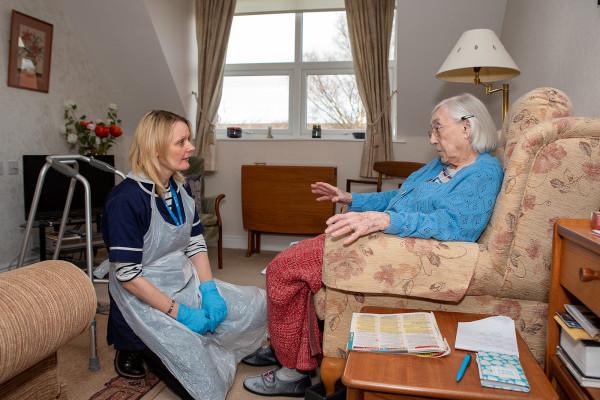
Home care in Sevenoaks allows individuals to receive professional support in the comfort of their own homes. Instead of moving into a residential care setting, a person can continue living in familiar surroundings while receiving assistance according to their needs.
The level of support can vary considerably. Some people may only require help with personal care, medication, meals, or household routines, while others may need more regular assistance throughout the day. Care can be adapted as circumstances change, helping individuals maintain as much independence as possible.
For families, home care can also provide reassurance that their loved one has appropriate support while remaining in an environment they know and enjoy.
One of the first steps when choosing care is understanding exactly what support is required. Every individual has different needs, and these can change over time.
Someone recovering from an illness or operation may require temporary assistance, while an older person may need ongoing support with personal care and everyday activities. Others may need help because of mobility difficulties, memory problems, or a long-term condition.
Before selecting a provider, consider the type and frequency of support required. This can help you identify whether occasional visiting care, regular daily support, overnight assistance, or a more comprehensive care arrangement would be appropriate.
A good care provider should take time to understand the individual rather than offering a one-size-fits-all approach.
Care providers may offer several different services depending on the needs of the person receiving support.
Visiting care can be suitable for individuals who need assistance at particular times of the day. A carer may help with personal care, preparing meals, medication routines, mobility, or other everyday tasks.
For people who require a greater level of continuous support, live in care in Sevenoaks may be an option. Live-in care allows a trained carer to stay in the person’s home and provide ongoing assistance while supporting their routines, independence, and preferences.
Some individuals may also require specialist support. Dementia care in Sevenoaks can help people living with dementia remain at home while receiving appropriate assistance with daily routines, personal care, safety, and companionship.
Understanding the different care options makes it easier to identify a service that matches the person’s circumstances.
A suitable care service should focus on the individual rather than simply providing a standard schedule of visits. Personalised care means considering the person’s routines, preferences, abilities, interests, and goals when planning their support.
For example, someone may prefer to get up at a particular time, prepare certain meals, maintain specific hobbies, or continue attending local activities. Care should ideally support these preferences wherever possible.
When speaking with a provider, ask how they assess care needs and how often care plans are reviewed. A person’s needs can change, so their support should be able to change with them.
The quality of care depends significantly on the people providing it. When comparing home care in Sevenoaks, it is useful to understand how carers are recruited, trained, and supported.
Ask whether carers receive appropriate training for the services they provide and whether they have experience supporting people with specific needs. If dementia support is required, for example, relevant dementia care experience can be particularly important.
It is also worth asking how the provider manages continuity of care. Having familiar carers can help build trust and make the person receiving support feel more comfortable.
Good communication can make the care experience easier for everyone involved. Families often want to know how their loved one is managing and whether there have been any changes in their needs.
When considering a provider, ask how communication between carers, the person receiving care, and their family is managed. Clear communication can help ensure that concerns are identified early and that everyone understands the current care arrangements.
A provider should also make it clear who families can contact if they have questions or concerns about the care being delivered.
It is important to consider not only what support is required today but also how needs might develop in the future.
For example, someone who currently needs occasional visiting care may eventually require more frequent assistance. Similarly, a person living with dementia may need increasing levels of support as their condition progresses.
Choosing a provider that can offer different levels of care may make future changes easier to manage. If live in care in Sevenoaks becomes necessary later, having an established relationship with a provider that offers this service can help make the transition smoother.
Planning ahead does not mean arranging more care than is currently needed. Instead, it allows families to understand the available options before circumstances become more urgent.
When someone is living with dementia, finding appropriate support can be particularly important. Dementia can affect memory, communication, confidence, routines, and the ability to manage everyday tasks.
Dementia care in Sevenoaks can provide tailored assistance while helping an individual remain in familiar surroundings. Familiar routines and environments can be reassuring, particularly when changes in memory or communication make unfamiliar situations more difficult.
When choosing dementia care, families should ask about the provider’s experience supporting people with dementia and how carers adapt their approach to each individual.
The right support should recognise the person behind the condition and help them maintain dignity, independence, and meaningful daily routines wherever possible.
Receiving care does not necessarily mean losing independence. In many cases, the purpose of home care is to provide the right amount of assistance while enabling a person to continue doing the things they can manage themselves.
A carer might provide support with tasks that have become difficult while encouraging the individual to remain involved in decisions and everyday activities.
This approach can help preserve confidence and dignity. When comparing providers for home care in Sevenoaks, consider whether their approach focuses on enabling people to live as independently as possible.
Choosing a local care provider can offer practical advantages for families in Sevenoaks. A provider familiar with the local area may understand the needs of people living in the community and be able to coordinate care more effectively.
Local care can also make communication easier for families who want to remain involved in their loved one’s support. Most importantly, the care should be built around the individual rather than simply where they live.
For people who want to remain at home, local professional support can provide an alternative to moving into residential care when home-based care is appropriate.
Finding the right care provider should involve more than simply choosing the first available service. Take time to understand the person’s needs, compare the types of care available, and ask questions about carers, care planning, communication, and ongoing support.
For families considering home care in Sevenoaks, the most suitable service will depend on the individual’s circumstances. Some people may benefit from visiting care, while others may require live in care in Sevenoaks or specialist dementia care in Sevenoaks.
PentaCare provides person-centred care designed around individual needs, helping people receive professional support while remaining in the familiar surroundings of their own homes. Whether someone needs assistance with everyday activities, companionship, personal care, or more comprehensive support, discussing their requirements with a professional care provider can help families understand the options available.
The right care arrangement should provide practical assistance while respecting the person’s dignity, preferences, routines, and independence.
Home care in Sevenoaks provides professional support to people in their own homes. Depending on individual needs, this may include personal care, companionship, help with everyday activities, meal preparation, medication support, and other forms of assistance.
A person may benefit from home care when everyday activities are becoming difficult to manage safely or independently. Changes in personal care, mobility, nutrition, medication routines, household tasks, or confidence can all indicate that additional support may be helpful.
Live in care in Sevenoaks involves a trained carer living in the person’s home and providing ongoing support. It can be considered when someone requires a greater level of assistance while wishing to remain in their familiar home environment.
Yes. Dementia care in Sevenoaks can provide tailored support for people living with dementia in their own homes. Care can focus on everyday routines, personal care, companionship, safety, and maintaining independence while taking the individual’s needs into account.
Start by understanding the person’s care needs and then compare providers based on their services, approach to personalised care, carer training, communication, and ability to adapt support as needs change. It is also helpful to discuss the individual’s requirements directly with the provider before making a decision.
Yes. Care needs can change because of ageing, illness, mobility changes, dementia, or other circumstances. A suitable provider should be able to review care arrangements and adjust the level of support when appropriate.
Pentacare serves many locations, including Sevenoaks, Kemsing, Otford, Edenbridge, Hildenborough, Sundridge, Westerham, Shoreham, Dunton Green, Tonbridge, Borough Green, Wrotham, Tunbridge Wells, Hadlow, Chipstead
If you are exploring live in care in Sevenoaks(West Kent), PentaCare is here to help. Our dedicated team offers free consultations to discuss your family’s needs and create a tailored care plan.
Contact us today to learn more about our trusted 24-hour home care services and discover how we can support your loved one’s independence, dignity, and happiness.
Service types: Respite care, Live-in care, visiting care, dementia care, Overnight Care, companionship, shopping, housekeeping, meal preparation, medication assistance, and personal care
Address: 2 The Square, Riverhead, West Kent, Kent TN13 2AA.
Phone: 01732 905405
Official Website :https://www.pentacare.co.uk/locations/kent/west-kent
Website: https://www.pentacare.co.uk/locations/kent/west-kent
Regulation: Registered and regulated by the Care Quality Commission (CQC)