
August 10, 2026
Choosing the right type of care for an older loved one is an important decision. Families often have to consider whether their relative would be more comfortable receiving support at home or moving into a residential care setting. For many older adults, remaining in familiar surroundings can provide greater comfort, independence and a sense of control over everyday life.
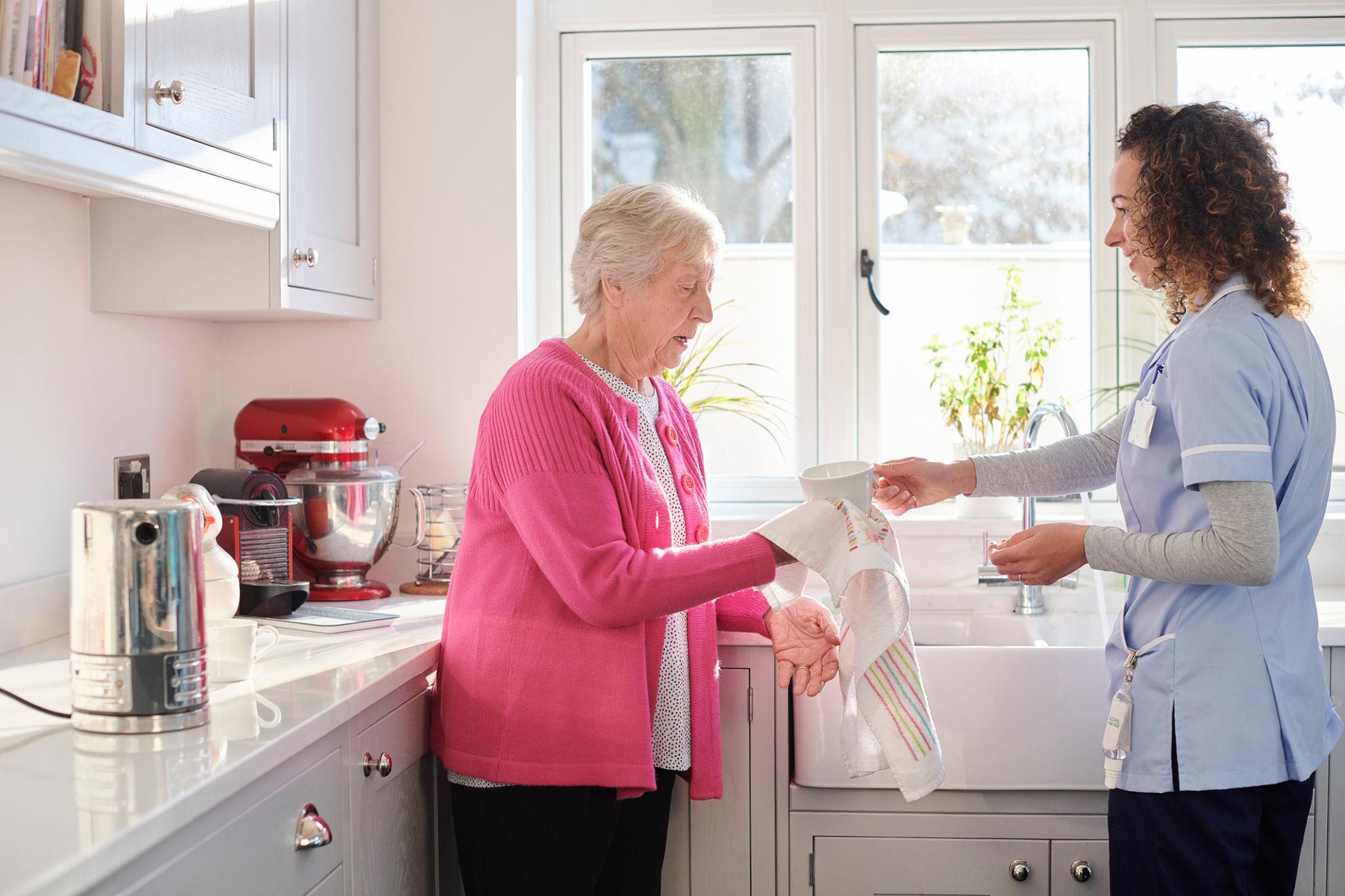
Home Care in West Suffolk offers families an alternative that allows older adults to receive professional support without necessarily leaving their own homes. With care tailored around individual needs, people can continue living in familiar surroundings while receiving assistance with daily activities, personal care, companionship and other aspects of everyday life.
Every family has different circumstances. An older person may initially manage independently but gradually need additional help with household tasks, personal care, mobility or medication routines. Families may also find that providing all the necessary support themselves becomes difficult alongside work and other responsibilities.
Home care can provide a flexible solution. Instead of changing where someone lives, professional carers can visit the person’s home and provide the level of assistance they need. The amount and frequency of support can be adapted as circumstances change.
For older adults who value their independence, this approach can be particularly appealing. They can continue following familiar routines while receiving professional support where it is needed.
One of the main advantages of receiving care at home is the opportunity to remain in a familiar environment. Moving to a care home can involve significant changes to a person’s routine, surroundings and social environment.
Remaining at home can allow an older adult to continue enjoying familiar rooms, belongings and neighbourhood connections. Familiar surroundings can also make everyday routines feel more comfortable and predictable.
Professional carers can provide support while encouraging the individual to remain involved in their own daily decisions. This can help maintain a sense of independence and dignity.
A major benefit of professional home care is that support can be tailored to the individual. Not everyone needs the same level of assistance, and care requirements can change over time.
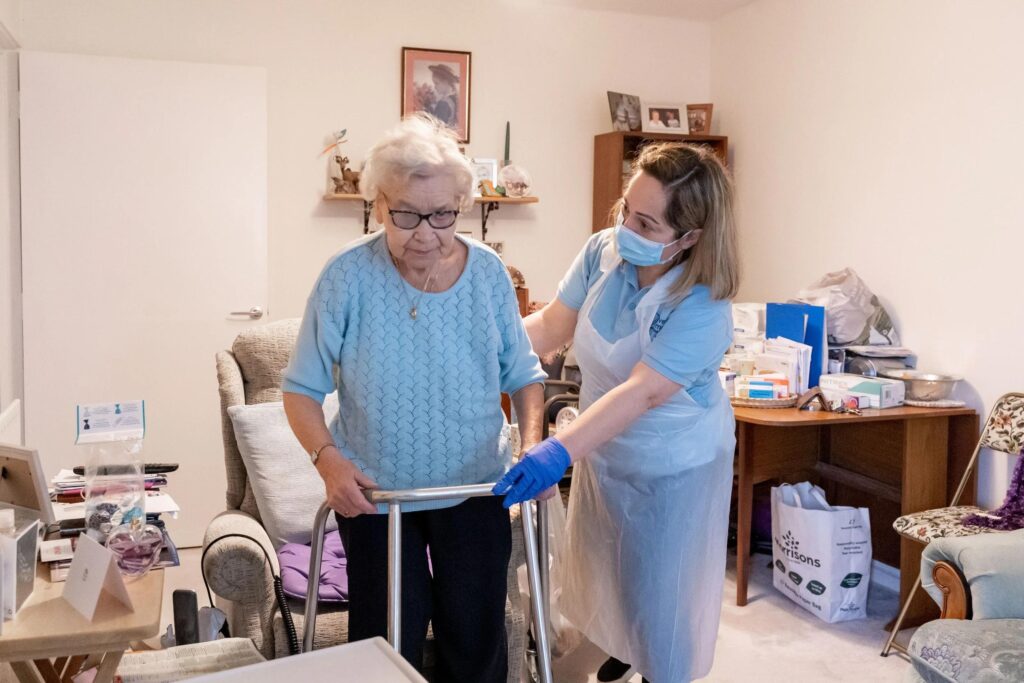
Personal Care in West Suffolk can help individuals with everyday activities such as washing, dressing and maintaining personal hygiene. Other people may primarily need help with household tasks, meal preparation, shopping or getting out and about.
A personalised approach means that care can focus on what matters most to the individual rather than following a one-size-fits-all routine.
Some older adults do not require someone to remain in their home throughout the day. They may simply need regular visits to provide practical assistance and companionship.
Visiting Care in West Suffolk can provide flexible support according to an individual’s circumstances. Visits can be arranged around daily routines and may provide reassurance to both the person receiving care and their family.
This type of care can be particularly useful for people who are still relatively independent but benefit from some additional assistance.
For individuals who require more substantial support, Live-in Care in West Suffolk can provide a different level of assistance while allowing them to remain at home.
A live-in carer can provide ongoing support with daily routines, personal care, meals, companionship and other needs. This can be an option for people who require greater assistance but would prefer not to move into residential care.
Live-in care can also provide families with reassurance that their loved one has consistent support available within their own home.
Dementia can affect memory, communication, routines and a person’s ability to manage everyday activities. Families may find that additional support becomes necessary as the condition progresses.
Dementia Care in West Suffolk can provide personalised assistance while helping an individual remain in familiar surroundings. Consistent routines and familiar environments can be important when supporting someone living with dementia.
Professional carers can assist with everyday activities while providing companionship and reassurance. Care can also give family members additional support when they are unable to be present throughout the day.
Care is not only about practical assistance. Social connection and companionship can also play an important role in an older person’s quality of life.
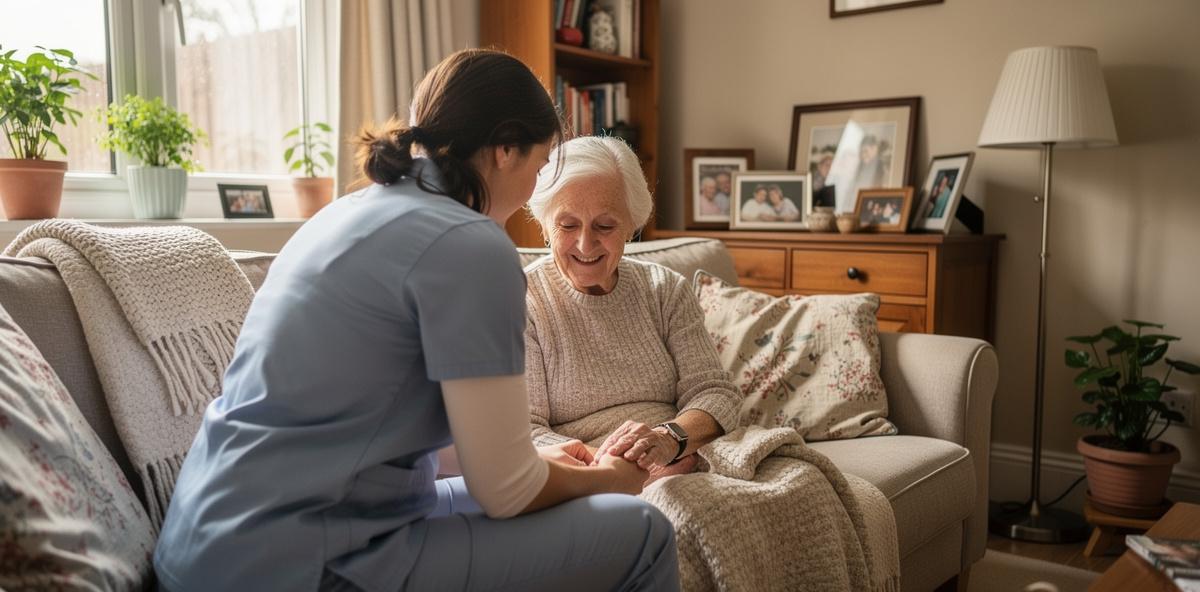
Companionship Care in West Suffolk can provide regular social interaction and support with activities that an individual enjoys. A carer may spend time talking with a client, accompanying them on outings, helping with hobbies or simply providing company during the day.
For older adults who spend significant amounts of time alone, regular companionship can make everyday life more enjoyable and engaging.
Family members often provide a considerable amount of support for an ageing relative. While caring for someone can be rewarding, it can also become demanding over time.
Respite Care in West Suffolk can provide temporary professional support, giving family carers an opportunity to rest, attend appointments, work or manage other responsibilities.
Respite care does not necessarily mean a permanent change to an existing care arrangement. It can provide additional support when families need it most.
Some individuals may need assistance during the night because of mobility difficulties, medication routines, anxiety or other care requirements.
Overnight Care in West Suffolk can provide reassurance and assistance during nighttime hours. Depending on individual circumstances, a carer may provide support with bedtime routines, getting up during the night or preparing for the morning.
For people with more complex or continuous support requirements, 24 Hour Care in West Suffolk may provide a more comprehensive solution. The appropriate level of care should always be based on the individual’s needs and preferences.
Receiving professional care does not mean giving up independence. In many cases, the purpose of care is to help an individual continue doing as much as possible for themselves.
A carer can provide assistance with tasks that have become difficult while encouraging the person to remain involved in decisions and everyday activities. This can help maintain confidence and dignity.
For example, someone may need help preparing a meal but still want to choose what they eat. Another person may need assistance getting ready in the morning but still want to complete parts of their routine independently.
This balance between support and independence is an important part of person-centred care.
When families are comparing care providers, it is important to look beyond the basic services offered. A reliable Care Agency in West Suffolk should take time to understand the individual’s circumstances, preferences and care requirements.
Families may want to consider whether carers are appropriately trained, whether care plans are personalised and how the provider communicates with clients and their families.
It is also useful to ask how care arrangements are reviewed when a person’s needs change. Good communication can help ensure that the support provided continues to reflect the individual’s circumstances.
For many older adults, the biggest benefit of home care is the ability to receive professional assistance without immediately having to leave their familiar surroundings.
From occasional visiting support to live-in arrangements, care can be adapted to different levels of need. Services such as personal care, dementia care, companionship, respite care and overnight support can all contribute to a more comprehensive care plan.
For families in West Suffolk, the right care arrangement can provide practical support while helping an older loved one maintain dignity, comfort and independence at home.
Choosing between home care and residential care is a personal decision, and there is no single solution that works for every family. However, Home Care in West Suffolk can provide a flexible and personalised alternative for older adults who would prefer to remain in their own homes.
With the right support, individuals can continue familiar routines, receive assistance with everyday activities and maintain greater involvement in their own lives. At the same time, families can have greater reassurance that their loved one is receiving professional care and support.
For anyone considering care for themselves or a family member, understanding individual needs is the best starting point. A personalised care assessment can help determine what type and level of support would be most appropriate.